
Home Explorations About Contact
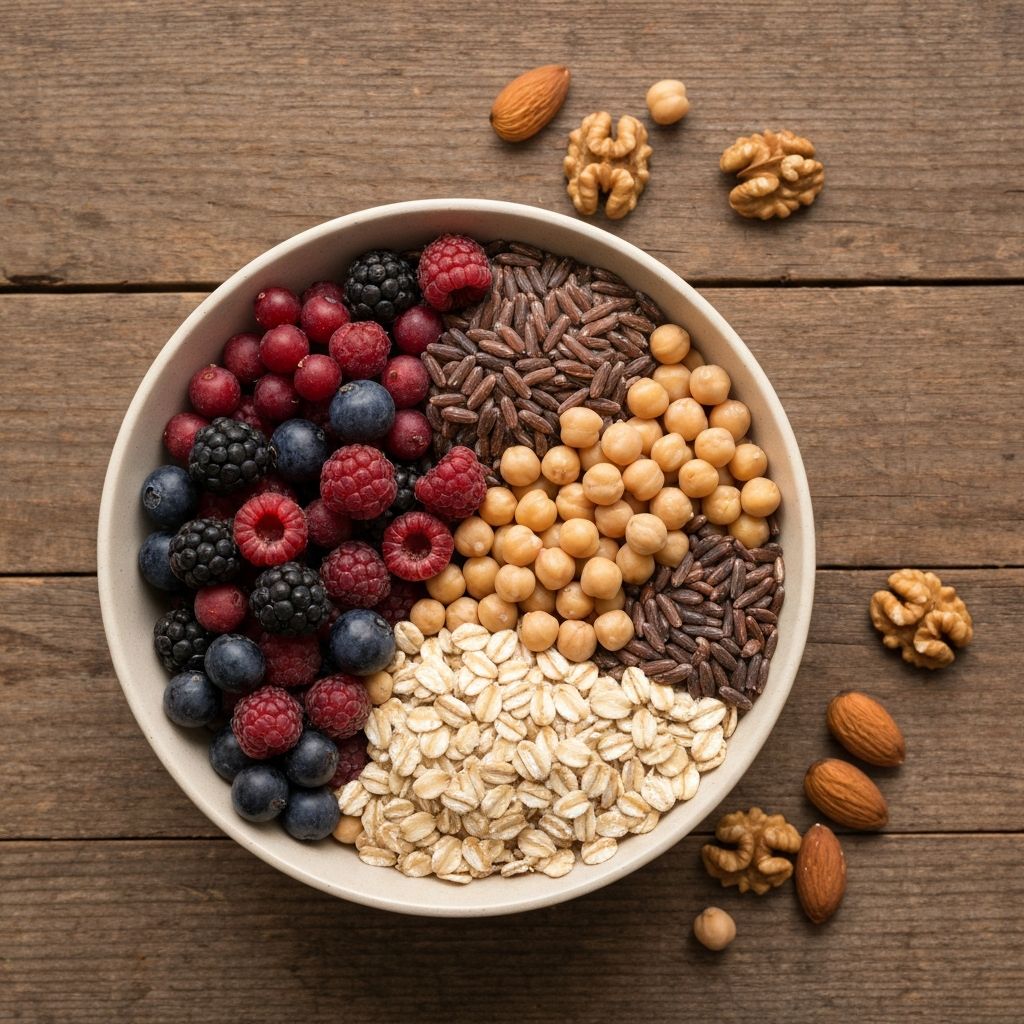
High-fibre whole foods flat-lay

Exploring Dietary Fibre and Its Role in Satiety Mechanisms

Educational content only. No promises of outcomes.

Types of Dietary Fibre

Dietary fibre comprises soluble and insoluble forms, each with distinct physiological characteristics and effects on the body. Understanding these differences provides insight into how fibre interacts with digestive processes.

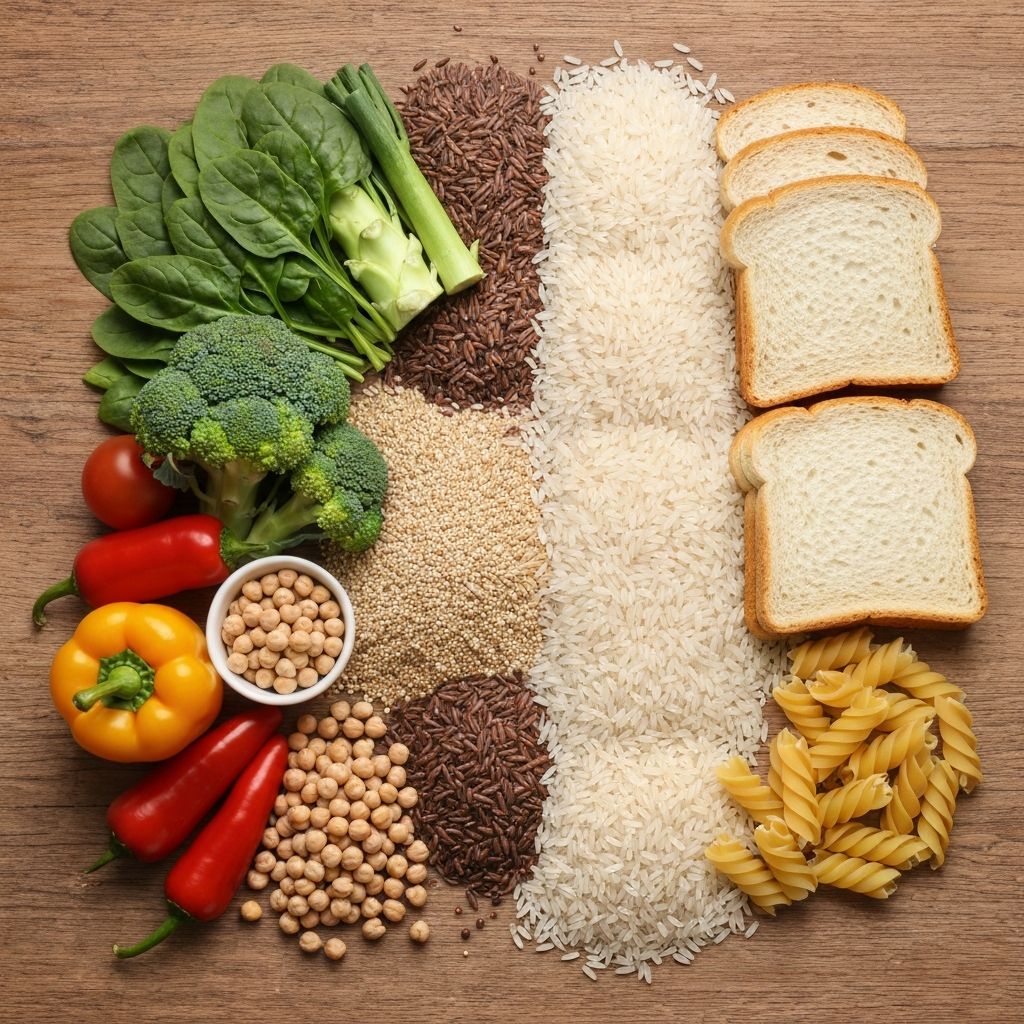
Soluble and insoluble fibre sources

Soluble Fibre

Dissolves in water to form a viscous gel. Found in oats, legumes, apples, and barley. This form interacts with water in the digestive tract and is fermented by gut bacteria.

Insoluble Fibre

Does not dissolve in water. Present in whole grains, vegetables, and nuts. Provides bulk to stool and supports normal transit through the digestive system.


Gastric Distension and Emptying Effects

Fibre-rich foods, particularly those with high water content and volume, contribute to gastric distension—the physical filling of the stomach. This mechanical stimulus influences subjective sensations of fullness during and after meals.

The rate at which the stomach empties (gastric emptying) is also affected by dietary fibre. Soluble fibre, in particular, may slow this process, prolonging the time food remains in the stomach.

Physical Volume

High-fibre foods occupy more space with fewer calories, contributing to satiety signals.

Transit Time

Slower gastric emptying extends stomach distension signalling.

High-volume low-density fibre foods
Fermentable fibre-rich foods

Fermentation and Short-Chain Fatty Acids

When soluble fibre reaches the colon, it is fermented by the resident microbiota, producing short-chain fatty acids (SCFAs)—primarily butyrate, propionate, and acetate. This metabolic activity is a key physiological process linking dietary fibre to downstream signalling.

SCFAs interact with specific receptors in intestinal tissues and may influence appetite-related signalling, though research into the precise mechanisms remains ongoing.

Microbiota Interaction

Fibre acts as a prebiotic, nourishing beneficial bacteria.

Metabolite Production

Fermentation generates bioactive compounds from dietary fibre.

GLP-1 and PYY Release Mechanisms

Dietary fibre influences the release of glucagon-like peptide-1 (GLP-1) and peptide YY (PYY), hormones that play roles in appetite regulation and energy homeostasis. These peptides are secreted by intestinal cells in response to nutrient stimuli, including fermentation products and mechanical distension.

Fibre-rich whole foods

GLP-1 Secretion

Released by L-cells in response to fermented fibre and nutrient presence, with effects on gastric function and energy intake.

PYY Release

Also secreted by L-cells; circulates and influences hunger signalling across multiple tissues.

Individual Variation

Hormone responses to dietary fibre vary between individuals, influenced by microbiota composition and genetic factors.

Energy Density and Food Choices

Energy density refers to the calories per unit of food weight. High-fibre foods, particularly vegetables and whole grains, typically have lower energy density than refined alternatives. This means larger quantities can be consumed for similar caloric intake.

Differences in energy density may influence dietary patterns and overall caloric consumption in everyday life, though individual responses and choices vary widely.

Volume Effect

More food mass per calorie from higher fibre and water content.

Satiation Patterns

Lower-density foods may support longer-lasting fullness in short-term studies.

High-fibre versus low-fibre food comparison

Eating Rate and Subjective Fullness

Observational studies and controlled feeding trials suggest that high-fibre foods may influence eating rate—the pace at which food is consumed. Fibre-rich foods often require more chewing, which can slow consumption.

Subjective fullness ratings in short-term studies show associations with fibre intake, although these associations are influenced by numerous other factors including portion size, food selection, and individual eating behaviours.

Common UK Fibre Sources

The United Kingdom offers abundant sources of dietary fibre through whole grains, legumes, vegetables, fruits, and nuts. Below is an overview of commonly available options and their approximate fibre content per serving.

Whole Grains

Oats, barley, wholemeal bread, brown rice. Approximately 3–5g fibre per serving.

Legumes

Lentils, chickpeas, beans. Approximately 6–8g fibre per cooked portion.

Vegetables

Broccoli, carrots, spinach, Brussels sprouts. Approximately 2–4g fibre per serving.

Fruits & Seeds

Berries, apples, almonds, chia seeds. Approximately 2–6g fibre per serving.

Common UK dietary fibre sources

Individual Variability in Fibre Response

Responses to dietary fibre vary substantially between individuals. Microbiota composition, baseline dietary habits, genetic factors, and individual tolerance all influence how the body responds to increased fibre intake.

Some individuals adapt to higher fibre intakes more readily than others. Gradual increases in fibre consumption, combined with adequate hydration, support tolerance for most people. However, personal dietary approaches and professional guidance remain important for individual circumstances.

Detailed Fibre Explorations

Explore detailed explanations of specific fibre-related mechanisms and physiological effects.

Soluble fibre sources

Soluble vs Insoluble Fibre: Physiological Differences

Discover the distinct characteristics and effects of soluble and insoluble fibre on the digestive system.

Read more →
Gastric fullness

Gastric Effects of Dietary Fibre on Fullness

Explore how fibre influences gastric distension and the perception of satiety during meals.

Read more →
Short-chain fatty acids

Fermentation of Fibre and Short-Chain Fatty Acids

Learn about the role of gut microbiota in fermenting dietary fibre and producing bioactive metabolites.

Read more →
Satiety hormones

Fibre-Induced Release of Satiety Hormones

Understand how fibre influences GLP-1 and PYY secretion and their roles in appetite regulation.

Read more →
Energy density comparison

Energy Density and Fibre-Rich Food Choices

Examine the relationship between food energy density and dietary fibre in everyday food selections.

Read more →
Fibre tolerance

Individual Variability in Fibre Tolerance and Response

Discover why people respond differently to dietary fibre based on microbiota and individual factors.

Read more →

Frequently Asked Questions

Soluble fibre dissolves in water to form a viscous substance and is fermented by gut bacteria. Insoluble fibre does not dissolve and adds bulk to stool. Both types contribute to overall dietary fibre intake and have distinct physiological effects.

Fibre can influence satiety through multiple mechanisms: physical gastric distension (fullness sensation), slower gastric emptying, slowed eating rate (due to increased chewing), and hormonal signals from gut peptides like GLP-1 and PYY released in response to fermentation products.

Short-chain fatty acids (SCFAs)—primarily butyrate, propionate, and acetate—are produced when gut bacteria ferment soluble fibre in the colon. These metabolites interact with cells in the intestinal lining and are involved in various physiological processes including energy metabolism and signalling.

Common UK sources include whole grains (oats, barley, wholemeal bread), legumes (lentils, beans, chickpeas), vegetables (broccoli, carrots, Brussels sprouts), fruits (apples, berries), and nuts/seeds (almonds, chia seeds). Each offers varying amounts of soluble and insoluble fibre.

Energy density is the number of calories per unit weight of food. High-fibre foods, particularly vegetables and whole grains, typically have lower energy density due to higher water and fibre content. This means more food mass can be consumed with similar caloric intake.

Individual responses to dietary fibre vary due to microbiota composition, baseline dietary habits, genetic factors, and digestive tolerance. Some people adapt to higher fibre intakes more readily than others, and personal tolerance develops over time with gradual increases.

Yes, fibre-rich foods typically require more chewing, which naturally slows eating rate. Slower consumption allows more time for satiety signals to be processed by the body, potentially influencing subjective fullness during and after meals in short-term observations.

GLP-1 and PYY are hormones secreted by intestinal cells in response to nutrient stimuli, including fibre fermentation products and mechanical distension. These peptides are involved in appetite regulation and energy homeostasis, though individual responses vary widely.

Fibre recommendations vary by health organisation and individual circumstances. General guidance suggests including a variety of fibre-rich foods throughout the day. Individual dietary needs and tolerance should be considered, and professional nutritional guidance is recommended for personalised advice.

Some individuals may experience digestive changes when increasing fibre intake rapidly, including bloating or changes in bowel habits. Gradual increases in fibre consumption, combined with adequate hydration, typically support better tolerance. Individual responses vary, and professional guidance may be beneficial.

Continue Exploring Fibre-Related Physiological Effects

This resource provides educational information on the mechanisms by which dietary fibre influences satiety and energy regulation. For detailed explorations of specific topics, visit our Explorations section.

Explore Fibre Mechanisms